Cigar Guide: A Comprehensive Overview (Updated 04/14/2026)
Embark on a journey into the world of cigars! This guide unveils the experience, from initial selection to proper storage, offering relaxation and enjoyment.
What is a Cigar? Defining the Experience
A cigar transcends mere smoking; it’s a deliberate ritual, a moment of pause in a fast-paced world. Unlike cigarettes, cigars are not inhaled, instead savored for their complex flavors and aromas.
The experience involves appreciating the construction, aroma, and burn, alongside the nuanced taste profiles that develop throughout the smoke. It’s a sensory journey, offering relaxation and contemplation. For many, it’s a social activity, fostering connection and conversation. Whether you’re a novice or aficionado, choosing the right cigar elevates this experience.
Understanding Cigar Anatomy
A cigar’s quality hinges on its three core components: the wrapper, binder, and filler. The wrapper, the outermost leaf, dictates much of the cigar’s flavor and appearance, requiring careful cultivation and fermentation.
Beneath it lies the binder, holding the filler tobaccos together, contributing to the cigar’s structure and burn. Finally, the filler – a blend of tobaccos – provides the core flavor profile. Understanding these elements is crucial for appreciating the craftsmanship and complexity within each cigar.
Wrapper
The wrapper leaf is the cigar’s most visible and influential component. Grown specifically for this purpose, it demands meticulous care, impacting both flavor and aroma. Shade-grown wrappers offer milder profiles, while sun-grown varieties deliver bolder tastes.
Color variations – from claro to oscuro – indicate sun exposure and fermentation levels. A well-maintained wrapper should be smooth, exhibiting an attractive sheen and contributing significantly to the overall smoking experience, defining the cigar’s character.
Binder
The binder leaf, often overlooked, plays a crucial structural role within the cigar. Positioned beneath the wrapper, it securely holds the filler tobaccos together, influencing burn quality and draw resistance. Typically a stronger leaf than the wrapper, it contributes to the cigar’s overall strength and complexity.
Skilled cigar makers carefully select binder leaves to complement the filler blend, ensuring a consistent and enjoyable smoke. Its quality directly impacts the cigar’s construction and performance.
Filler
The heart and soul of the cigar, the filler consists of long-leaf tobacco leaves carefully blended to create the cigar’s unique flavor profile. These leaves, sourced from various regions, contribute distinct characteristics – strength, aroma, and taste – to the overall smoking experience.
Master blenders expertly combine different filler tobaccos, achieving balance and complexity. The quality and fermentation of these leaves are paramount, dictating the cigar’s richness and enjoyment.

Cigar Sizes and Shapes
Cigars aren’t one-size-fits-all; they come in a delightful array of dimensions and forms, influencing burn time and flavor concentration. Understanding these variations is key to finding your perfect match. Sizes are generally described by length and ring gauge (diameter).
From shorter, quicker smokes to longer, more contemplative experiences, the shape also plays a role. Classic shapes include straight-sided Parejos and more artistically crafted Figurados, each offering a unique aesthetic and smoking experience.
Parejos (Straight-Sided)
Parejos represent the most classic and commonly encountered cigar shape. Characterized by their straight sides and a rounded head, they offer a predictable and consistent burn. Popular sizes within this category include Corona, Robusto, and Churchill, varying in length and ring gauge.
These cigars are favored for their ease of smoking and balanced flavor delivery. Parejos are an excellent starting point for newcomers, providing a traditional and satisfying experience, and are widely available.
Figurados (Shaped Cigars)
Figurados are cigars that deviate from the traditional straight-sided Parejo shape, offering a more visually striking and often complex smoking experience. This category includes shapes like Torpedoes, Belicosos, Perfectos, and Diademas, each with unique characteristics.
These cigars often boast a more concentrated flavor profile due to the varying thickness of the wrapper. Figurados are favored by experienced smokers seeking a nuanced and visually appealing smoke, adding an element of artistry.
Cigar Strength: From Mild to Full
Cigar strength, often referred to as body, dictates the intensity of the smoking experience. It’s determined by the type and amount of tobacco used in the blend, ranging from mild to full. Mild cigars are gentle, ideal for beginners, while medium-bodied options offer a balanced profile.
Full-bodied cigars deliver a robust, powerful flavor, appealing to seasoned aficionados. Strength isn’t solely about nicotine; it encompasses the overall impact on the palate, creating a diverse spectrum of enjoyment.
Mild Cigars
Mild cigars are an excellent starting point for newcomers to the world of premium tobacco. Typically crafted with Connecticut Shade wrappers, they offer a smooth, delicate flavor profile. Expect notes of cream, cedar, and a subtle sweetness, providing a gentle introduction to cigar smoking.
These cigars are characterized by their low to medium nicotine levels, making them perfect for daytime enjoyment or those preferring a less intense experience. They pair well with lighter beverages.

Medium-Bodied Cigars
Medium-bodied cigars strike a delightful balance, appealing to a broad range of palates. Often utilizing wrappers like Habano or Criollo, they deliver a more pronounced flavor than mild cigars, yet remain approachable. Expect a complexity of tastes – hints of nuts, cocoa, and a gentle spice.
These cigars offer a satisfying nicotine level, suitable for both seasoned smokers and those transitioning from milder options. They are incredibly versatile for beverage pairings.
Full-Bodied Cigars
For the experienced aficionado, full-bodied cigars deliver an intense and robust experience. Typically featuring dark, oily wrappers like Maduro or dark Habano, these cigars boast powerful flavors – rich earth, dark chocolate, leather, and significant pepper notes.
Expect a substantial nicotine kick, making them best suited for those accustomed to stronger smokes. Pair these with bold beverages like aged whiskey or robust coffee to complement their intensity.
Cigar Flavors and Profiles
The world of cigar flavors is remarkably diverse, extending far beyond just “tobacco.” These profiles are shaped by the tobacco blend, fermentation process, and wrapper type; Common categories include earthy & woody, offering cedar and soil notes; spicy & peppery, delivering a kick; and sweet & creamy, providing hints of vanilla and cocoa.
Many cigars exhibit complex combinations, evolving throughout the smoke. Discovering your preferred profile is a key part of the cigar journey!
Earthy & Woody Flavors
Cigars boasting earthy and woody profiles are often considered classic and approachable. Expect prominent notes of cedar, sandalwood, and forest floor, evoking a sense of natural richness. These cigars frequently utilize tobaccos grown in regions known for their soil characteristics, contributing to the grounded flavors.
They pair exceptionally well with beverages like coffee or aged rum, complementing the natural, robust character. A truly comforting and balanced smoke!
Spicy & Peppery Flavors
For those seeking a bolder experience, cigars with spicy and peppery notes deliver a stimulating profile. Expect sensations ranging from a gentle white pepper tingle to a more pronounced black pepper kick, often accompanied by hints of chili or cinnamon.
These cigars typically employ stronger tobaccos, like those from Nicaragua or Honduras. They pair wonderfully with bolder drinks like whiskey or a robust stout, enhancing the fiery character.
Sweet & Creamy Flavors
Cigars offering sweet and creamy profiles provide a smooth, luxurious experience. These often exhibit notes of vanilla, cocoa, caramel, or even a delicate floral sweetness. The creamy texture coats the palate, creating a remarkably satisfying sensation.
Connecticut Shade wrappers frequently contribute to these flavors, alongside carefully selected filler tobaccos. Pair these cigars with dessert wines, coffee, or a light-bodied rum to complement their delicate sweetness.
Popular Cigar Regions and Their Characteristics
The origin of a cigar profoundly impacts its flavor profile. Cuba is historically renowned for its complex, often intensely flavored cigars, boasting rich earthiness. The Dominican Republic delivers balanced, often milder cigars, known for their smoothness and accessibility.
Nicaragua produces full-bodied cigars with spicy, robust flavors, gaining immense popularity. Honduras offers a range, from medium to full-bodied, often exhibiting earthy and woody notes. Each region’s unique terroir contributes to distinct characteristics.
Cuba
Cuba remains the historical heartland of premium cigar production, steeped in tradition and renowned globally. Its unique terroir – the soil, climate, and topography – imparts distinctive characteristics. Cuban cigars often exhibit complex flavors, ranging from cedar and leather to coffee and cocoa.
The Vuelta Abajo region is particularly prized, yielding exceptional tobacco. Despite political complexities, Cuban cigars continue to be highly sought after by aficionados worldwide, representing a benchmark for quality and flavor.
Dominican Republic
The Dominican Republic has emerged as a leading cigar-producing nation, known for its consistent quality and diverse offerings. Utilizing a blend of Dominican and imported tobaccos, cigars from this region often present a milder to medium-bodied profile.
Popular regions like the Valle del Cibao contribute to the nuanced flavors, frequently showcasing notes of cream, nuts, and subtle sweetness. The Dominican Republic provides excellent value and accessibility for both newcomers and experienced smokers.
Nicaragua
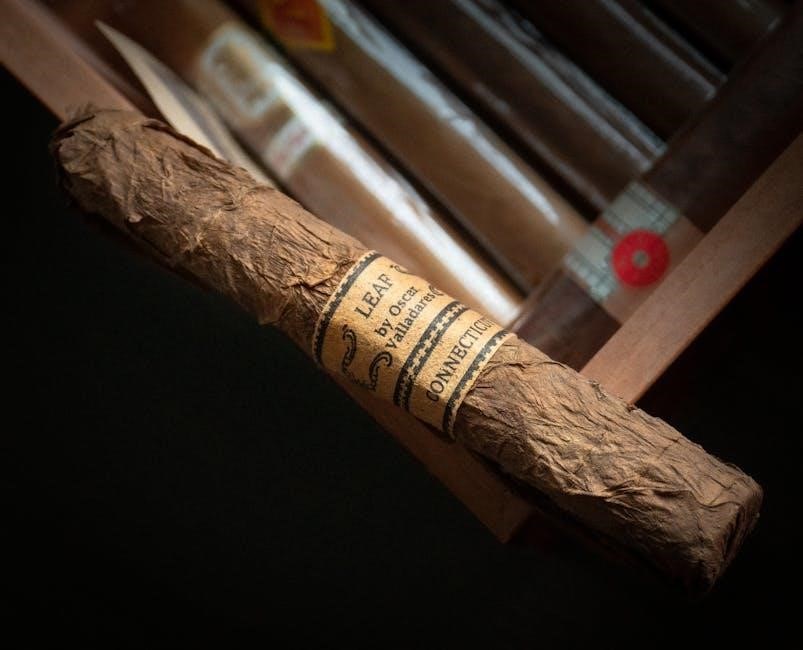
Nicaragua has rapidly gained recognition for producing exceptionally flavorful and robust cigars, often favored by enthusiasts seeking bolder experiences. Volcanic soil and ideal growing conditions contribute to the rich, complex profiles characteristic of Nicaraguan cigars.
Expect notes of spice, pepper, earth, and sometimes even chocolate or coffee. Regions like Estelí, Jalapa, and Condega each impart unique qualities. Nicaraguan cigars are celebrated for their strength and full-bodied character, offering a truly satisfying smoke.
Honduras
Honduras is renowned for producing cigars that offer a balance of flavor and affordability, making them a popular choice for both newcomers and seasoned smokers. The country’s diverse microclimates and fertile valleys contribute to a wide range of flavor profiles.

Expect medium to full-bodied cigars with notes of cedar, leather, and subtle spice. Regions like Jamastrán and Talanga are particularly well-regarded. Honduran cigars are often praised for their consistent quality and enjoyable smoking experience, providing excellent value.
Cigar Accessories: Enhancing Your Smoke
Elevate your cigar experience with essential accessories! A quality cigar cutter ensures a clean, precise cut, crucial for optimal draw. Lighters or matches – butane lighters are preferred for their clean flame. Maintaining proper humidity is vital; a humidors and hygrometers are key.
These tools protect your investment and enhance flavor. Consider ashtrays, travel cases, and cigar rests for a complete setup. Investing in quality accessories demonstrates respect for the craft and ensures a consistently enjoyable smoke.
Cigar Cutters
A precise cut is paramount for a satisfying cigar experience. Several cutter types exist: guillotine, scissor, and punch cutters. Guillotine cutters offer a clean, straight cut, ideal for most cigars. Scissor cutters are versatile, while punch cutters create a small, round opening.
Sharp blades are essential; dull cutters crush the cigar. Regularly maintain your cutter to ensure a clean slice. Proper cutting prevents unraveling and allows for an easy draw, maximizing flavor and enjoyment. Choose a cutter that feels comfortable and suits your preferences.
Lighters & Matches

Igniting a cigar requires careful consideration. Torch lighters, with their focused flame, are popular for even lighting. Soft flame lighters, like butanes, also work, but require more patience. Matches, specifically long wooden matches, offer a traditional approach, imparting minimal flavor.
Avoid lighters with fuel odors, as they can taint the cigar’s taste. Toast the foot evenly, rotating the cigar for a consistent burn. A proper light is crucial for developing the cigar’s full flavor profile and ensuring a pleasurable smoking experience.
Humidors & Hygrometers
Maintaining optimal humidity is vital for cigar preservation. Humidors, available in various sizes and materials, create a controlled environment. Spanish cedar is a favored choice, naturally regulating humidity and deterring tobacco beetles.
Hygrometers accurately measure humidity levels, ideally between 68-72%. Consistent monitoring prevents cigars from drying out (becoming brittle) or becoming overly moist (leading to mold). Proper humidification ensures a consistently enjoyable smoking experience, preserving the cigar’s flavor and aroma.
How to Properly Cut and Light a Cigar
A precise cut and careful lighting unlock a cigar’s full potential. Cutting allows for a smooth draw, while proper lighting ensures even burning. Avoid piercing the cigar; a clean cut is preferred.
Lighting techniques vary: a torch provides a quick, even char, while matches offer a traditional approach. Rotate the cigar slowly while lighting to establish a consistent ember. Avoid directly inhaling the flame; puff gently to ignite the tobacco evenly, creating a flavorful experience.
Cutting Techniques
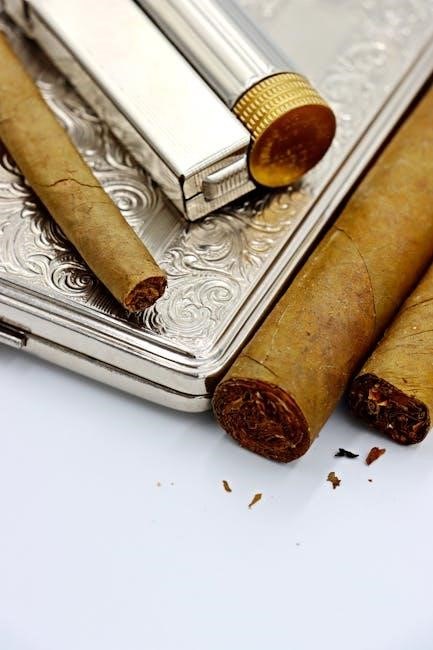
Several methods exist for preparing your cigar. The straight cut, using a guillotine or scissor cutter, is most common, creating a clean, flat opening. A V-cut, employing a specialized cutter, forms a V-shaped notch, offering a different draw experience.
Avoid puncturing the cigar cap as this can damage the wrapper and lead to an uneven burn. Always cut just beyond the cap’s shoulder, ensuring a smooth airflow without compromising the cigar’s structural integrity. A sharp cutter is crucial for a clean cut.
Lighting Techniques (Torch vs. Match)
Choosing a lighting method impacts the initial flavor profile. Butane torches provide a consistent, focused flame, quickly creating an even ember. Wooden matches, while traditional, impart a slight woodsy taste some aficionados prefer.
Toast the foot of the cigar evenly, rotating it slowly to establish a glowing ember. Avoid directly applying the flame; instead, use a sweeping motion. Patiently build the ember, preventing the cigar from burning unevenly or tasting of butane.
Cigar Smoking Etiquette and Best Practices
Respectful enjoyment enhances the experience for everyone. When in company, always ask if others mind your smoking. Avoid overpowering scents near dining areas.
Pairing cigars with beverages elevates the flavor profile; consider whiskey, rum, or coffee. Never ash directly into ashtrays used for food. Practice mindful smoking, savoring each puff and appreciating the aroma. Dispose of cigar remains responsibly, ensuring they are fully extinguished.
Pairing Cigars with Beverages
Complementing your cigar with the right drink unlocks a symphony of flavors. Robust, full-bodied cigars pair beautifully with aged whiskey or dark rum, mirroring their intensity.
Milder cigars find harmony with coffee or lighter rums, creating a balanced experience. Sweet cigars often shine alongside dessert wines or port. Experimentation is key – discover your personal preferences and elevate your smoke!
Smoking in Social Settings
Cigar smoking is often a communal experience, best enjoyed with consideration for others. Always ask before lighting up in shared spaces, respecting those sensitive to smoke.
Outdoor settings are generally preferred, ensuring ventilation and minimizing disruption. Offer to share, but never pressure anyone to participate. Etiquette dictates mindful ash disposal and a relaxed, convivial atmosphere, enhancing the enjoyment for all involved.
Cigar Storage: Maintaining Freshness

Proper storage is paramount to preserving a cigar’s flavor and aroma. The key lies in maintaining consistent humidity and temperature. A humidor, a specialized storage box, is essential for regulating these factors.
Ideal humidity levels range between 68-72%, achieved using humidification devices. Temperature should be kept around 65-70°F (18-21°C). Avoiding direct sunlight and drastic fluctuations prevents drying or molding, ensuring a consistently enjoyable smoking experience.
Humidification Explained
Maintaining optimal humidity within a humidor is crucial. This is achieved through various methods, primarily utilizing humidification devices. These devices release moisture, counteracting the natural drying effect of cigars.
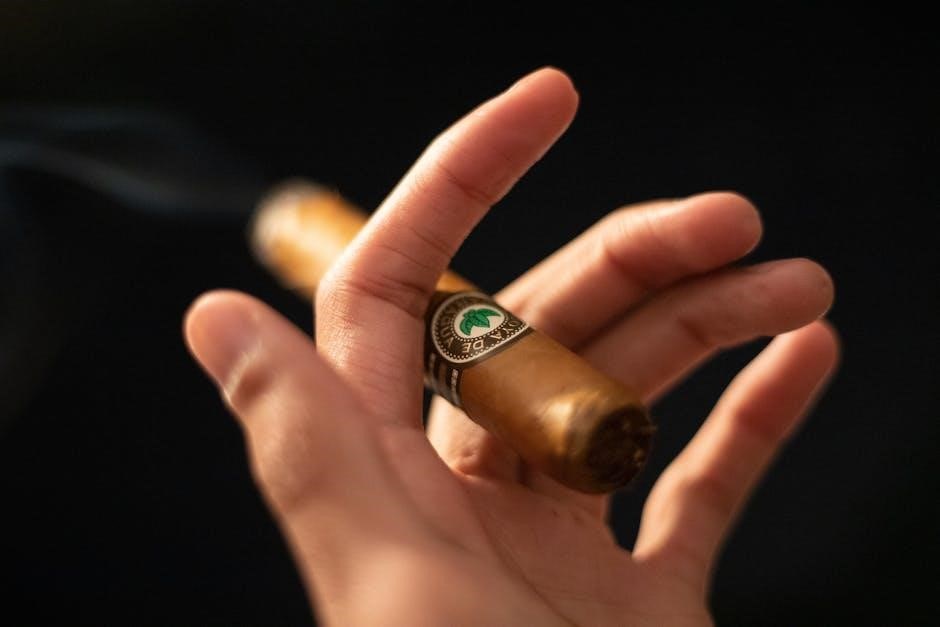
Common options include sponges, gel polymers, and electronic humidifiers. Sponges require regular wetting, while gels offer longer-lasting moisture. Electronic humidifiers provide precise control. Regularly monitoring a hygrometer—a humidity gauge—ensures levels remain within the ideal 68-72% range, preserving cigar quality.
Temperature Control
Consistent temperature is as vital as humidity for cigar preservation. Fluctuations can negatively impact flavor and combustion. Ideally, cigars should be stored between 65-70°F (18-21°C). Avoid direct sunlight, heating vents, or cold drafts, as these cause uneven temperatures.
A stable environment prevents wrapper cracking and ensures proper aging. Consider a dedicated cigar room or a quality humidor with insulation. Monitoring temperature with a thermometer alongside humidity is recommended for optimal long-term storage and enjoyment.
Cigar Aging: Does it Matter?
Aging cigars is a debated topic, but generally, it can enhance the smoking experience. Properly aged cigars often develop more complex flavors and a smoother profile. The process allows the tobaccos to marry, mellowing harshness and creating a more balanced smoke.
However, not all cigars benefit from aging, and some are best enjoyed fresh. Aging isn’t a necessity, but a potential refinement. It’s a matter of personal preference and cigar quality, offering a nuanced evolution over time.
Potential Benefits of Aging
Aging cigars unlocks a spectrum of improvements. Flavors become more integrated and nuanced, shifting from youthful boldness to refined complexity. Harsh edges soften, resulting in a smoother, more palatable smoke. Aromas deepen, offering a richer olfactory experience.
Furthermore, aging can enhance the burn characteristics and overall construction of a cigar. It’s a process of maturation, allowing the tobaccos to reach their full potential, creating a truly exceptional smoking experience for the aficionado.
Optimal Aging Conditions
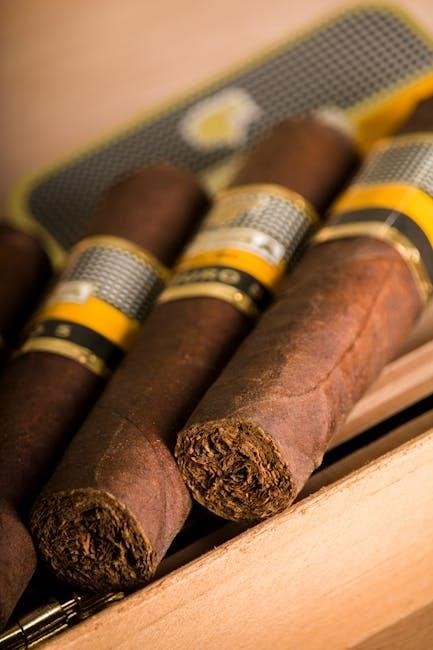
Maintaining consistent conditions is paramount for successful cigar aging. A temperature of 65-68°F (18-20°C) is ideal, avoiding fluctuations that can harm the cigars. Humidity should be held steady at 70-72%, preventing them from drying out or developing mold.
Utilize a quality humidor with a reliable hygrometer to monitor these factors. Proper airflow is also crucial, ensuring even aging throughout the collection. Darkness protects against UV damage, preserving flavor and aroma.