The Essential Guide to Women’s Ministry Roles and Responsibilities
This comprehensive guide explores the vital roles and responsibilities within women’s ministry. It offers practical insights and essential tips to foster spiritual growth‚ build community‚ and ensure effective church service. Discover how women lead and impact the church.

Foundational Principles of Women’s Ministry
Women’s ministry is rooted in Titus 2‚ emphasizing mature women discipling others. It recognizes the church as a cohesive body where every member‚ especially women‚ evangelizes and instructs. This ministry is vital for church health and discipleship‚ fostering spiritual growth.
Biblical Mandate for Women Leading Women (Titus 2)
The bedrock of women’s ministry is firmly established upon the biblical mandate found in Titus 2. This crucial passage outlines the divine expectation for older‚ spiritually mature women to diligently teach and mentor younger women. The instruction covers essential aspects of Christian living‚ including loving their husbands and children‚ practicing self-control‚ maintaining purity‚ managing their households with diligence‚ demonstrating kindness‚ and exhibiting submission to their own husbands. This intergenerational discipleship is not merely an option but a core component of spiritual formation within the church‚ empowering women to effectively lead and counsel one another.
This mandate also supports women in utilizing their God-given gifts for evangelism and instruction‚ particularly within female-specific contexts. While diverse interpretations exist regarding women’s broader leadership roles in the church‚ the fundamental call for women to teach and nurture other women remains unequivocally clear and universally accepted. When the principles of Titus 2 are actively embraced‚ they foster a robust and spiritually healthy community. Conversely‚ neglecting this biblical framework significantly impedes the church’s holistic discipleship efforts‚ underscoring the profound and indispensable nature of this scripture in women’s ministry development and execution.
The Church as a Cohesive Body: Every Role Matters
The church‚ by divine design‚ functions as a cohesive body where every member is endowed with a unique‚ God-ordained role‚ making each contribution indispensable. This foundational principle underscores that ministry is never meant to be a “one-woman show” but a collective endeavor‚ where diverse gifts and talents coalesce for greater effectiveness. Recognizing this‚ a robust women’s ministry is not merely an optional appendage but a vital artery contributing significantly to the overall health and discipleship of the entire congregation.
Just as a football coach cannot be effective by focusing solely on offense or defense‚ a church leader cannot effectively minister without being attuned to over half of the congregation—its women. When women are empowered to embrace their roles and work together‚ they enrich the spiritual fabric‚ foster deeper community‚ and expand the church’s outreach. God actively desires to see leaders gather the right team‚ enabling them to achieve more for His glory collectively than any individual could alone. This collaborative spirit ensures that every role‚ no matter how seemingly small‚ is valued and crucial for the harmonious functioning and spiritual growth of the body of Christ.
Women as Evangelists and Instructors
Women play a pivotal role as evangelists and instructors within the church and wider community‚ a calling rooted deeply in biblical principles. All women‚ as believers‚ are commissioned to evangelize to children‚ other women‚ and even men‚ utilizing their unique gifts and knowledge to instruct others effectively‚ as exemplified in passages like Luke 2:36-38 and Acts 18:26. This vital function extends beyond formal settings‚ encompassing everyday interactions where faith is shared and wisdom imparted.
The ability of women to teach and mentor is particularly powerful within women’s groups‚ where they can lead Bible studies‚ provide sister care‚ and offer biblical counseling. By building up women who are mature in their faith‚ the ministry equips them to guide and counsel others‚ fostering spiritual growth and discipleship. This instruction is crucial for nurturing new believers‚ strengthening existing ones‚ and ensuring that sound doctrine is passed down through generations. Their capacity to serve as ministry administrators‚ organizers‚ and strategists also facilitates these instructional and outreach efforts‚ ensuring smooth operation of programs designed to evangelize and educate. This active participation strengthens the entire church body.
Vital Role in Church Health and Discipleship
A strong‚ active women’s ministry is undeniably vital to the overall health and robust discipleship within any church. As Rick Thompson highlights‚ neglecting over half of the congregation renders a pastor ineffective. Women’s ministries play a crucial role by intentionally ministering to women‚ addressing their diverse spiritual‚ emotional‚ and intellectual needs across various life stages and cultural backgrounds. This dedicated focus ensures that women are not merely passive attendees but actively engaged members of the body of Christ.
The ministry functions as a cornerstone for discipleship‚ creating environments where women can grow in their faith‚ be equipped for service‚ and in turn‚ disciple others. By fostering teamwork and mutual support‚ women’s ministries empower individuals to discover and utilize their God-given gifts‚ contributing to the church’s cohesive functioning. This involves building up mature women in faith to lead and counsel‚ aligning with biblical mandates like Titus 2. Their involvement extends to organizing events‚ outreach programs‚ and ensuring smooth church operations‚ all of which are essential for a thriving spiritual community. Ultimately‚ an effective women’s ministry invigorates the entire church‚ promoting holistic spiritual well-being and fulfilling its mandate for discipleship.

Building an Effective Women’s Ministry Leadership Team
Building an effective team means moving beyond a “one-woman show.” God wired His church for cohesive teamwork‚ where each person has a God-ordained role. Gathering the right cast ensures mutual support and enhances ministry effectiveness for His glory.
Moving Beyond the “One-Woman Show” Mentality
In today’s society‚ self-reliance is often celebrated as a virtue‚ yet within kingdom ministry‚ God’s design for His church is fundamentally different. He meticulously fashioned it to function as a cohesive body‚ where every individual plays a God-ordained role‚ contributing to the whole. For those tirelessly serving women in their churches and communities‚ the reality of a “one-woman show” can feel overwhelming and unsustainable. It is crucial to embrace the truth that you are not meant to bear the entire burden alone.
God desires to see you assemble the right team around you‚ a diverse “cast” of committed individuals who can collectively achieve far greater impact for His glory than any single person could. This collaborative approach not only lightens the load but also leverages varied gifts and perspectives‚ enriching the ministry’s reach and depth. Sometimes‚ the initial challenge lies in addressing existing team dynamics‚ ensuring a healthy foundation before moving forward to effectively care for women. Recognizing that leadership is a shared responsibility‚ not an isolated endeavor‚ empowers the entire ministry to flourish‚ fostering mutual support‚ encouraging growth‚ and strengthening the church’s health and discipleship efforts.
Key Characteristics of Leadership Team Members
Key characteristics for women’s ministry leadership team members are foundational for an effective and thriving ministry. Firstly‚ a deep maturity in faith‚ as outlined in Titus 2‚ is paramount‚ enabling them to lead and counsel other women biblically. Team members should exhibit a strong commitment to fostering teamwork and mutual support‚ recognizing that ministry thrives when individuals work cohesively. This includes actively encouraging fellow members in their responsibilities and embracing delegation.

Furthermore‚ possessing excellent public relations skills is essential. Leaders must be able to represent the ministry favorably and professionally to both the church community and the wider public. Reliability and consistent participation in scheduled leadership meetings are non-negotiable‚ coupled with prompt communication if attendance is not possible. Meticulous planning and an unwavering dedication to aligning all activities with the ministry’s overarching vision are crucial. Effective communication skills are also vital for fostering a strong sense of community and connection among women. Ultimately‚ each member should understand their God-ordained role‚ striving for collective effectiveness and God’s glory within relational discipleship environments.

Fostering Teamwork and Mutual Support
Fostering robust teamwork and mutual support is paramount for an effective women’s ministry‚ moving decisively beyond the “one-woman show” mentality. God designed His church to function as a cohesive body‚ where every individual plays a God-ordained role‚ making collaborative effort more effective for His glory than any solitary endeavor. Encouraging teamwork means actively administering the ministry by providing leadership that champions collective effort and shared responsibilities.
A healthy team dynamic involves members genuinely encouraging one another in their respective duties‚ embracing delegation‚ and offering practical assistance. This supportive environment ensures that the burden of ministry is shared‚ preventing burnout and maximizing impact; For instance‚ an assistant leader plays a crucial role by supporting the main leader and stepping in as needed‚ fostering a sense of community and shared purpose among all members. Regular communication and participation in meetings further solidify these bonds‚ ensuring everyone is aligned with the ministry’s vision and objectives. When team members feel supported and valued‚ they are better equipped to care for the women they serve‚ creating a ripple effect of positive impact throughout the church community and strengthening discipleship efforts.
Public Relations and Professional Representation
Public Relations and Professional Representation are indispensable aspects of an effective women’s ministry‚ demanding conscious recognition from every leadership team member. It is paramount to represent the ministry favorably and professionally‚ not only to the church’s immediate constituency but also to the broader public. The team’s conduct‚ communication strategies‚ and the meticulous organization of all activities directly influence the ministry’s public perception and credibility. A strong‚ positive image is foundational for fostering trust and ensuring the ministry’s messages resonate effectively within and outside the church community‚ thereby amplifying its reach and influence.
Professional representation extends beyond superficial appearances‚ encompassing the deep integrity‚ respect‚ and competence demonstrated in every interaction and initiative. When leaders consistently embody these essential qualities‚ they organically build confidence among participants‚ volunteers‚ and stakeholders. This positive reputation is crucial for attracting new women to programs‚ inspiring deeper engagement‚ and garnering the necessary support for various outreach programs‚ community events‚ and vital discipleship initiatives. By upholding consistently high standards in all aspects‚ from organizing impactful Bible studies to planning enriching retreats and facilitating community impact efforts‚ the women’s ministry effectively communicates its dedication and purpose. This commitment creates a welcoming and respected presence that significantly enhances its overall impact and facilitates spiritual growth for all involved.
Regular Communication and Meeting Participation
Regular and consistent communication is paramount for a thriving women’s ministry leadership team‚ ensuring seamless operations and effective collaboration. All members are expected to diligently attend and actively participate in scheduled leadership meetings. These gatherings are crucial forums for discussing ministry progress‚ planning initiatives‚ and ensuring alignment with the overarching vision. Active participation involves contributing ideas‚ offering feedback‚ and collaborating effectively to solve challenges and foster spiritual growth and engagement. Through consistent interactions‚ strategies are refined‚ responsibilities clarified‚ and a shared sense of purpose reinforced among the team‚ fostering unity and clear mission objectives.
Prompt and transparent communication is also essential for optimal operational efficiency. If any team member cannot attend a scheduled meeting or important ministry event‚ they must inform the Servant Leader or coordinator promptly. This proactive approach ensures necessary adjustments‚ tasks reallocation‚ and smooth ministry activities. Such diligent communication demonstrates respect for fellow members’ time and commitments‚ strengthening collective accountability. This consistent information exchange fosters a cohesive environment‚ critical for building meaningful relationships and coordinating effective outreach‚ impactful events‚ and community impact programs that serve the church and broader community well.

Core Leadership Roles and Responsibilities
This section details the core leadership positions within women’s ministry. It covers the leader‚ assistant‚ and key team members. Focus areas include vision‚ support‚ financial oversight‚ and delegation‚ ensuring effective ministry operations and discipleship environments for women.
The Women’s Ministry Leader: Vision and Oversight
The Women’s Ministry Leader is the primary visionary‚ shaping ministry direction and ensuring alignment with church mission and biblical principles. This pivotal role involves creating‚ developing‚ and sustaining a dynamic structure where biblical discipleship flourishes in relational environments. A core duty assists the church in holistically addressing diverse spiritual‚ emotional‚ and intellectual needs of women across all life stages and cultural backgrounds. Consistent fervent prayer for women‚ diligently seeking God’s direction for every ministry initiative‚ is paramount. The leader effectively administers women’s ministries‚ providing comprehensive leadership and fostering teamwork and mutual support among all dedicated team members. Key oversight includes managing women’s Bible studies—judiciously choosing studies‚ enlisting capable leaders‚ and clearly communicating vital information to participants. Regular‚ collaborative meetings with the overseeing Pastor are essential for planning‚ accountability‚ and seamless integration‚ maximizing the ministry’s spiritual impact.
Developing Ministry Structure and Discipleship Environments
Developing an effective ministry structure is paramount for fostering robust discipleship environments within women’s ministry. This involves intentionally designing frameworks that enable women to grow spiritually and build meaningful‚ Christ-centered relationships. The core responsibility lies in creating and sustaining a system where biblical disciples are consistently made through relational interactions. This echoes the Titus 2 mandate‚ emphasizing the importance of mature women equipping and counseling others; Practical expressions of this structure often include organizing impactful women’s Bible studies‚ carefully selecting curriculum‚ and empowering capable leaders to facilitate. Furthermore‚ the development of “sister care” ministries‚ where women in need are thoughtfully paired with seasoned believers for support and guidance‚ forms a crucial part of this environment. Encouraging women to identify and utilize their unique spiritual gifts within these structures is also vital‚ ensuring a vibrant‚ active body. This strategic development ensures that the ministry effectively addresses women’s diverse spiritual‚ emotional‚ and intellectual needs‚ contributing significantly to the overall health and discipleship of the entire church community. These well-defined structures provide opportunities for women to serve‚ study‚ and support one another‚ cultivating balanced and thriving faith journeys for every participant.

Assistant Women’s Ministry Leader: Support and Execution
The Assistant Women’s Ministry Leader plays a crucial role by providing robust support to the main leader and stepping in to assume responsibilities whenever needed. This vital position encompasses various tasks‚ including the meticulous planning and oversight of ministry activities‚ ensuring that all events align seamlessly with the ministry’s overall vision. They are instrumental in coordinating logistics‚ preparing resources‚ and helping execute programs that foster spiritual growth and community. Communication is a key responsibility‚ as the Assistant Leader effectively engages with other team members and participants‚ fostering a strong sense of unity and mutual support. This role also involves representing the ministry favorably and professionally to the church’s constituency and the broader public. Active participation in scheduled leadership meetings is expected‚ where they contribute to strategic discussions and operational planning. Furthermore‚ they assist in delegating tasks and encouraging other team members in their responsibilities‚ promoting a collaborative environment. Promptly informing the main leader of any inability to attend scheduled events is essential for continuity. Ultimately‚ the Assistant Leader helps ensure the ministry effectively meets the diverse spiritual‚ emotional‚ and intellectual needs of women‚ thereby strengthening the church’s discipleship efforts.
Financial Management and Budget Oversight
Effective financial management and diligent budget oversight are critical responsibilities within women’s ministry‚ ensuring the prudent stewardship of resources. This role primarily involves developing a comprehensive women’s ministries budget‚ often in collaboration with the Executive Committee or relevant church financial bodies. The budget outlines projected income and expenditures for all ministry activities‚ from Bible studies to retreats and outreach events. A key responsibility is overseeing the careful distribution of funds‚ making sure that resources are allocated according to the approved plan and ministry priorities. This includes managing all financial transactions‚ meticulously tracking expenditures‚ and maintaining accurate records to ensure transparency and accountability; All monies received for the ministry must be promptly deposited into a designated bank account‚ adhering to established church financial policies. Regular reporting on the financial status to the main Women’s Ministry Leader and possibly the overseeing Pastor or church leadership is essential for informed decision-making and ensuring transparency. This comprehensive oversight ensures that the ministry operates within its allocated financial means‚ maximizes its impact‚ and remains fiscally responsible‚ allowing it to sustainably serve the women of the church and community effectively.
Delegation and Encouragement of Team Members
Effective delegation and consistent encouragement are paramount for cultivating a thriving women’s ministry‚ moving decisively beyond the “one-woman show” mentality. Recognizing that God wired His church as a cohesive body‚ where each person possesses a God-ordained role‚ effective leaders actively empower other team members in their responsibilities by strategically delegating tasks. This process is not merely about offloading duties; it is about empowering individuals‚ allowing them to discover and utilize their unique spiritual gifts and talents for the ministry’s benefit. By entrusting responsibilities‚ leaders foster a strong sense of ownership and belonging among the team‚ building up women who are mature in faith to lead and counsel others‚ as seen in the biblical mandate of Titus 2. Encouragement‚ therefore‚ becomes the lifeblood of team dynamics‚ fostering an environment of mutual support‚ appreciation‚ and growth. It motivates members to participate actively‚ communicate effectively‚ and represent the ministry professionally. A leader’s consistent encouragement helps navigate challenges‚ strengthens bonds‚ and ensures that the team functions as a united force‚ more effective for God’s glory than any individual could be alone. This approach cultivates a robust leadership pipeline‚ where women are equipped and affirmed‚ ultimately enhancing the ministry’s overall health and impact.

Key Activities and Program Areas
Key activities encompass organizing Bible studies‚ planning retreats and culture-specific events. Sister care ministry‚ biblical counseling support‚ outreach‚ and community impact programs are crucial for fostering spiritual growth and engagement among women.
Organizing Women’s Bible Studies
Organizing women’s Bible studies is a foundational pillar for an effective women’s ministry‚ directly fulfilling the biblical mandate for mature women to teach and disciple others‚ as outlined in Titus 2. The women’s ministry leader is primarily responsible for overseeing these vital studies‚ a role that involves carefully selecting biblically sound curricula. These studies must thoughtfully address the diverse spiritual needs and life stages of women across the congregation‚ encouraging deep‚ personal engagement with God’s Word. It is paramount to foster spiritual growth through practical application and transformative learning experiences‚ providing women opportunities to immerse themselves in scripture.
Beyond curriculum selection‚ enlisting and equipping qualified leaders for these groups is critical. These leaders‚ often mature believers‚ facilitate insightful discussions‚ offer spiritual guidance‚ and cultivate a nurturing environment where women feel safe to share‚ learn‚ and build meaningful relationships. Effective communication is essential to inform women about schedules‚ locations‚ and topics. Ultimately‚ these studies create dynamic‚ relational environments where biblical discipleship flourishes‚ empowering women to grow in faith‚ discover their gifts‚ and better equip them to minister to one another‚ strengthening the church’s spiritual health.
Planning Retreats and Culture-Specific Activities
Planning impactful retreats and culture-specific activities is a vital function within women’s ministry‚ offering unique opportunities for spiritual refreshment‚ deeper fellowship‚ and tailored engagement. These events move beyond the routine‚ providing dedicated time and space for women to connect with God and each other away from daily distractions. Retreats‚ whether for a day or a weekend‚ are designed to facilitate intense periods of teaching‚ worship‚ reflection‚ and community building‚ often featuring guest speakers or specific thematic studies that address women’s particular needs and challenges.
Beyond broader retreats‚ it is crucial to facilitate the development of culture-specific Women’s Ministries activities. Churches often serve diverse communities‚ and ministries should reflect this rich tapestry by organizing events that resonate with different cultural backgrounds‚ age groups‚ and life stages. This could involve special gatherings celebrating various traditions‚ workshops addressing unique cultural dynamics‚ or fellowship events tailored to specific demographics within the church. Such inclusive planning ensures that every woman feels seen‚ valued‚ and ministered to in a way that is relevant and meaningful to her‚ fostering a stronger‚ more unified body of believers and enriching the overall health of the ministry.
Sister Care Ministry and Biblical Counseling Support
A crucial aspect of an effective women’s ministry is the establishment and nurturing of a robust sister care ministry‚ offering vital biblical counseling support. This ministry is fundamentally about building up women who are mature in the faith to lead and counsel other women‚ as directly encouraged by Titus 2. It involves creating environments where women in need are thoughtfully paired with a mature believer who can offer guidance‚ empathy‚ and prayer‚ fostering a safe space for genuine connection and spiritual growth. This peer-to-peer discipleship model ensures that women receive personalized attention and support through life’s challenges‚ aligning with their spiritual‚ emotional‚ and intellectual needs.
Furthermore‚ recognizing the depth of some needs‚ women’s ministries can play a significant role in facilitating access to more formal biblical counseling. This might involve identifying and even helping to fund one or two women within the church to pursue biblical counseling degrees‚ thereby expanding the ministry’s capacity to offer professional‚ biblically grounded care. Such initiatives underscore the commitment to providing comprehensive support‚ ensuring that women have access to both informal‚ relational mentorship and structured‚ expert counseling‚ contributing significantly to their overall well-being and discipleship journey within the church community.
Outreach‚ Events‚ and Community Impact

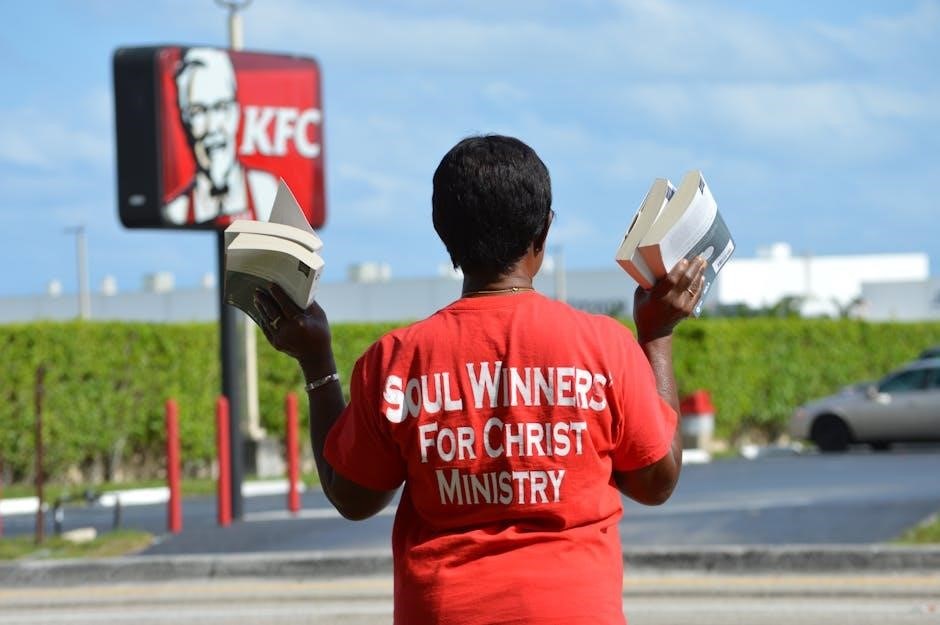
The women’s ministry plays a pivotal role in extending the church’s influence beyond its immediate walls through dynamic outreach activities‚ engaging events‚ and significant community impact. Leadership is crucial for building meaningful relationships‚ organizing various outreach programs‚ and coordinating events that serve both the church’s constituency and the broader public. Women often serve as key administrators‚ organizers‚ and strategists‚ ensuring that these initiatives flow smoothly and effectively‚ enhancing the ministry’s professional representation.
These activities are diverse‚ ranging from community service projects to evangelistic endeavors‚ where women are called to evangelize to children‚ women‚ and men‚ using their gifts and knowledge to instruct others. The ministry’s efforts can include facilitating the development of culture-specific activities that resonate with diverse groups within the community‚ ensuring inclusivity and relevance. Through careful planning and execution‚ these events and outreach programs not only cater to the spiritual‚ emotional‚ and intellectual needs of women in various stages of life but also demonstrate the church’s active commitment to serving and impacting the wider community for God’s glory.